
Armory Square Prize Announces 2026 Winner
June 8, 2026
The 2026 jury for the Armory Square Prize for South Asian Literature in Translation has selected Rohan Chhetri’s translation from the Nepali of Parijat’s Flowers of the Siris Tree as the winner of this year’s prize.
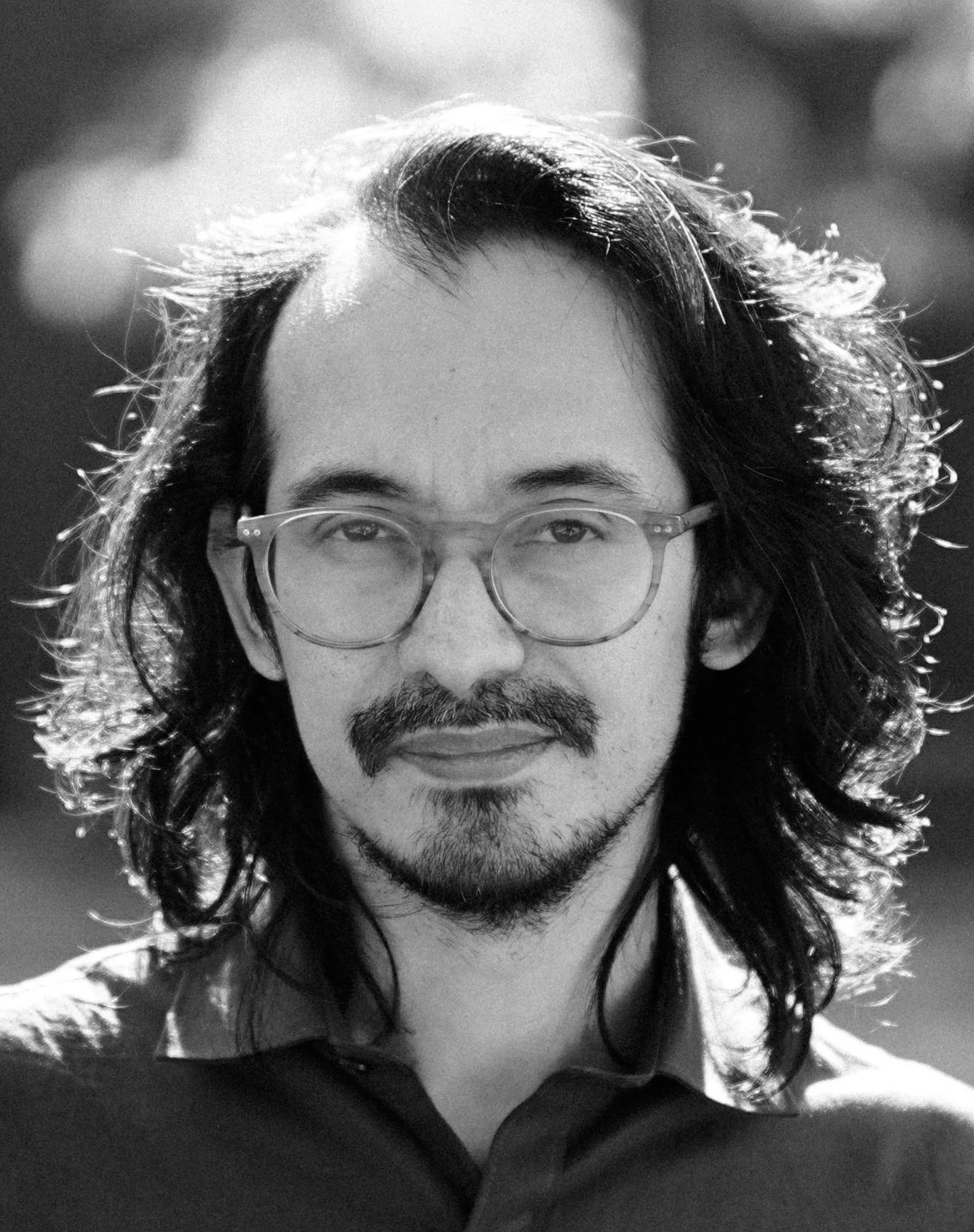
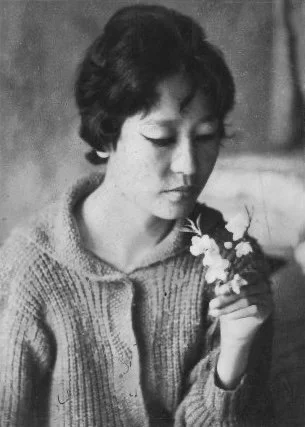
© Sukanya Waiba Collection/Nepal Picture Library
The award, presented annually, aims to cultivate a new generation of literary translators working with South Asian languages. This year, the prize’s theme was retranslations of works published after 1930, with the goal of bringing fresh life to modern classics from the South Asian canon. Five entries were selected as finalists, reflecting the breadth, linguistic complexity and robust modern literature of South Asia.
The winner was announced on June 8, 2026, during an event co-hosted with Himal Southasian’s annual Fiction Fest. The livestreamed panel discussion also featured readings from the five finalists, and remarks from jury chair Jason Grunebaum and prize founder Pia Sawhney.
This is the fourth year of the Armory Square Prize, an effort to remedy the stark disparities in literary translation worldwide and support compelling storytellers from the Indian Subcontinent by raising their visibility in the United States. Of the nearly 7,600 books published in translation in the U.S. over the past decade, only 64, or fewer than 1%, originated from a South Asian language, even though these languages are spoken by a full one-fifth of the world’s population. This groundbreaking prize is the first of its kind worldwide.
Citations were presented to all five finalists:
1. Dharmvir Bharati (Hindi), The Seventh Horse of the Sun Translated by Rahul Soni (Novel, 1952)
“Dharamvir Bharati's The Seventh Horse of the Sun is a distinctly modern book set in post-independence Allahabad, and its overlapping, ironic love stories are timeless and universal in the best traditions of storytelling. The book is kind and knowing, mischievous and wise, and great fun to read. Rahul Soni's fresh translation is a delight.”
2. Jibanananda Das (Bangla), The Spirit-Woman’s Fairytale and Other Stories Translated by Sayari Debnath (Short story collection, 1931-33)
“These posthumously discovered stories by Jibanananda Das, Bengal's greatest poet of solitude and nature, bring his delicate appreciation of loneliness and a beautiful despair to the lives of individuals dismissed as indolent and incapable. Sayari Debnath’s new translations restore the feather touch of grief and greatness to Das’s fiction.”
3. Kamleshwar (Hindi), The Town of Fifty-Seven Streets Translated by Vaibhav Sharma (Novel, 1956)
“Vaibhav Sharma masterful translation of Kamleshwar’s The Town of Fifty-Seven Streets, the groundbreaking Hindi modernist’s dramatic tableau of small-town India at midcentury, excavates and reclaims the novel’s queer narrative and beauty in the sublime.”
4. Ranendra (Hindi), The Lost Golden Land
Translated by Matt Reeck (Novel, 2014)
“Ranendra’s crime novel sets ambitious journalists, rural Indian chieftains and corrupt cops up to face one another, sometimes intensely, at other times, more viciously. There is plenty to savor here as the tale unravels. Intrigue pervades Reeck’s rich translation and the story makes plain how critical and purposeful directed journalism continues to be in these times.”
5. WINNER: Parijat (Nepali), Flowers of the Siris Tree Translated by Rohan Chhetri (Novel, 1964)
“Shirishko Phool is a brutal and brutally perceptive novel evoking the troubled, self-justifying mindset of a Gurkha veteran of WWII, ‘hollowed out and haunted by the atrocities of war,’ in the words of the translator, Rohan Chhetri. The soldier’s voice in this first-person book is a marvel: lucid on his own subjectivity and victimhood, utterly clouded on that of anyone else, particularly women. The novel takes on the weightiest subjects with the deftest touch and earned Parijat Nepal’s Madan Puraskar prize, the first woman to be so awarded. Translating it with sufficient sensitivity and elegance will be a challenge of the first order, one Chhetri is meeting admirably.”
Excerpts of all five shortlisted works will be published by Words Without Borders, an online literary publication dedicated to works in translation with global reach. The winning book will be published by Open Letter Books in 2028.
The jury brings together award-winning specialists in South Asian and non-South Asian literary translation. This year, the jury comprised Deena Chalabi, Jason Grunebaum (jury chair), Srinath Perur, Daisy Rockwell, Pia Sawhney (prize founder), Arunava Sinha, and Padma Viswanathan. As part of its deliberations, the jury considered factors including the quality of the translation, the significance of the original work, and the degree of underrepresentation of the language in the US publishing market.